
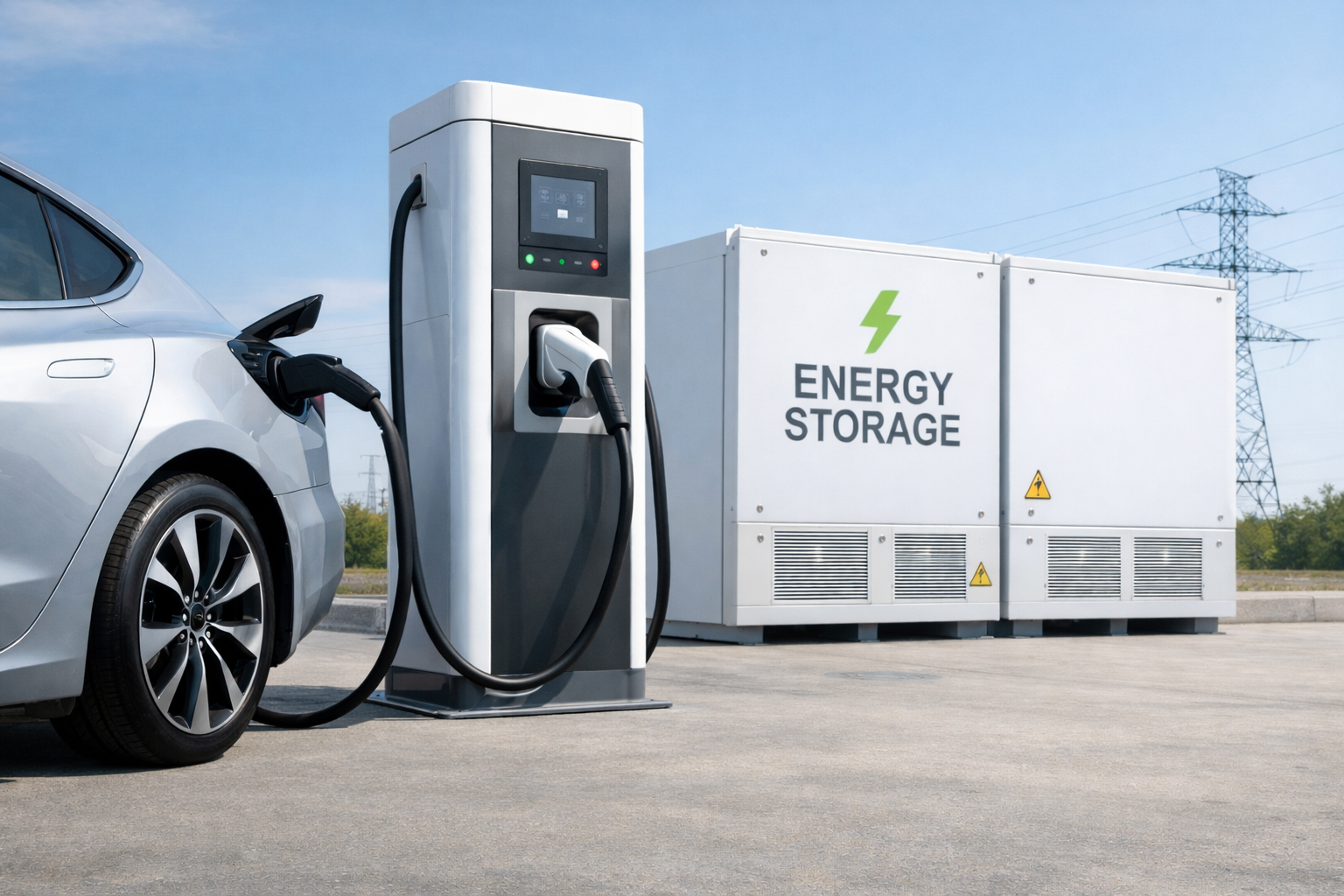
U.S. automakers such as Ford and General Motors are increasingly shifting into the energy storage business as electric vehicle demand shows signs of slowing. These companies are seeking ways to better utilize battery factories that required billions of dollars in investment for EV production. Because energy storage relies on similar battery technology, automakers can pivot without abandoning existing infrastructure. Tesla, however, entered this market years earlier and has already established a strong presence. As traditional automakers expand into energy storage, they are stepping into a competitive landscape where Tesla holds a clear advantage.
Rising electricity demand is a major factor behind the growing interest in energy storage. Power usage has increased after years of stagnation, driven largely by data centers and the electrification of household appliances. Batteries help manage the intermittency of renewable energy sources such as solar and wind by storing electricity for later use. They also allow businesses to purchase power during off-peak hours and deploy it when prices rise. These capabilities make energy storage an increasingly important component of modern power systems.
Ford has made one of the boldest moves by converting a Kentucky battery factory originally intended for EVs into a facility focused on energy storage. The company is also dedicating space at its Michigan plant to produce batteries for residential storage while continuing EV battery production. Ford has invested roughly $10 billion in these facilities and plans to spend an additional $2 billion to expand its energy business. Unlike Tesla, Ford lacks direct experience in the energy storage market but benefits from partnerships with established battery technology providers. The company is aiming to adapt its manufacturing scale to compete in this emerging sector.
Tesla remains the most established automaker in the energy storage market through its long-running Energy division. Since launching products such as the Powerwall and Powerpack in 2015, the business has become one of Tesla’s strongest performers. Energy storage generates margins roughly twice those of Tesla’s automotive segment and now accounts for about 20% of the company’s total revenue. This growth has helped offset slowing EV sales and declining market share in vehicles. Tesla’s early investment gives it a significant advantage as competitors accelerate their efforts.
General Motors is also expanding its footprint through its GM Energy division, which has introduced residential battery products and partnered with Redwood Materials to reuse EV batteries for storage. The company has reported rapid sales growth and strong month-over-month revenue gains in this segment. Despite this momentum, analysts caution that energy storage differs substantially from selling vehicles, with different customers, technical requirements, and sales strategies. Ultimately, the move into energy storage marks a pivotal moment for U.S. automakers as they reassess their long-term strategies beyond electric vehicles. As electricity demand continues to rise and grid reliability becomes more critical, energy storage could evolve into a defining pillar of the auto industry’s future, with Tesla setting the pace others are racing to match.
Reference
CNBC — “Automakers Like Ford and GM Are Jumping into a Whole New Business Where Tesla Is a Serious Player.” https://www.cnbc.com/2026/01/15/ford-gm-tesla-energy-storage.html
