
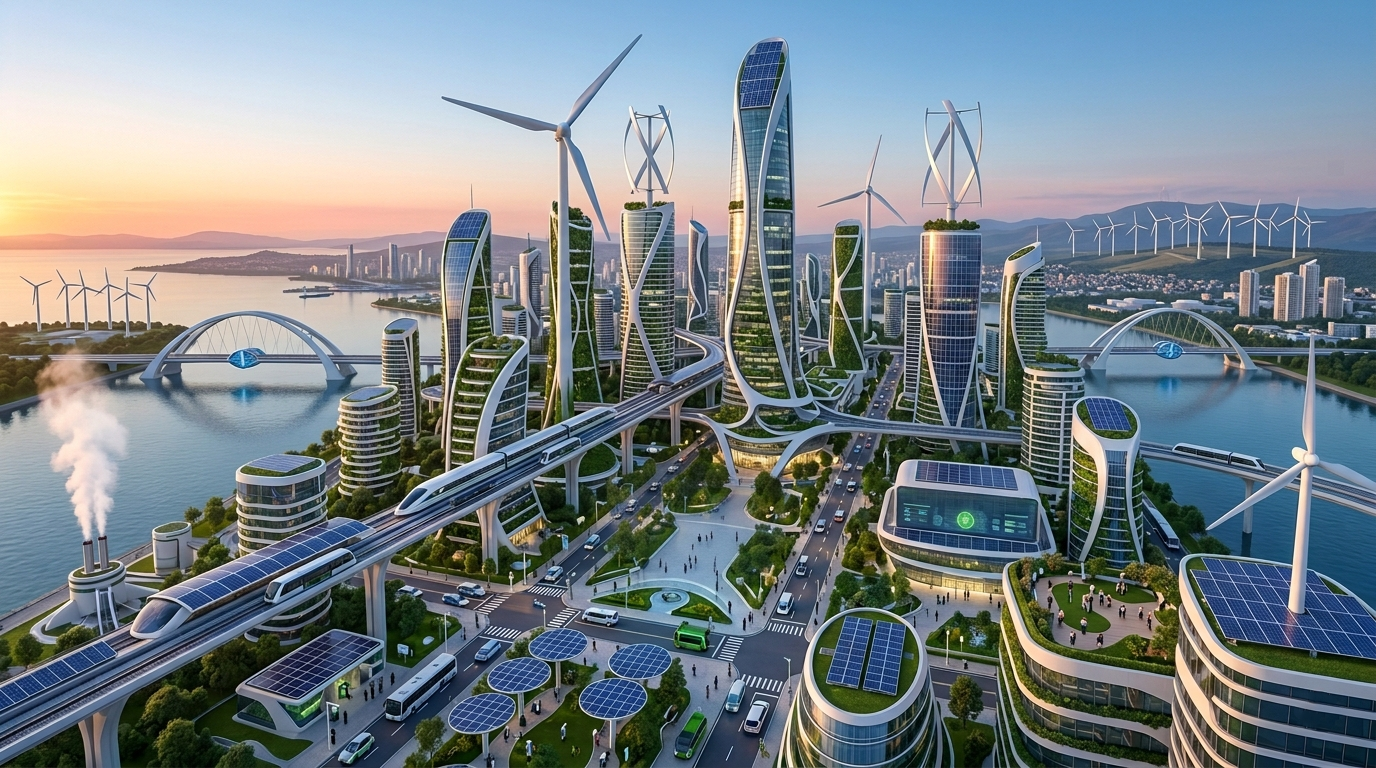
Renewable energy systems continue to evolve as electricity demand grows and infrastructure expands to support cleaner sources of power. This week’s developments highlight key trends shaping the energy transition, including long-term projections for Canada’s electricity system, the increasing role of large-scale battery storage, and new transmission infrastructure designed to strengthen grid connectivity. Together, these updates demonstrate how renewable generation, storage technologies, and grid expansion are advancing to support a more reliable and scalable clean energy future.
1. Canada’s Energy Future Shows Strong Growth in Clean Electricity
Canada’s long-term energy outlook points to a significant shift toward electricity as a central component of the energy system. Electricity demand is expected to increase substantially through 2050, driven by electrification across industries, transportation, and emerging technologies such as data centres.
Across projected scenarios, electricity generation is expected to grow by 30% to more than double current levels by 2050, reflecting the expanding role of electricity in meeting energy needs. At the same time, the share of electricity generated from non- or low-emitting sources is projected to exceed 96%, indicating continued growth in renewable and clean energy sources.
In terms of system capacity, Canada’s total electricity generation capability is projected to rise significantly from approximately 160 gigawatts in 2023 to about 310 gigawatts by 2050. A large portion of this growth is expected to come from renewable sources, particularly wind energy, which could increase from roughly 40 terawatt-hours in 2023 to around 277 terawatt-hours by 2050.
Grid infrastructure will play a key role in supporting this expansion. Interprovincial transmission capacity is projected to grow by approximately 70% by 2050, helping balance regional differences in electricity supply and demand and enabling more efficient use of renewable energy across the country.
Energy efficiency improvements are also expected to shape demand trends, with overall energy intensity projected to decline by about 1.1% per year. Together, these trends highlight how renewable generation, expanded grid capacity, and improved efficiency will support a more resilient and low-emission electricity system.
2. Large-Scale Battery Storage Supports Growing Electricity Demand
Energy storage continues to expand as a critical component of modern electricity systems. A new project will deploy a 500 MW battery energy storage system designed to support increasing electricity demand, particularly from energy-intensive applications such as data centers.
The system is expected to include approximately 2,493 MWh of storage capacity, allowing it to store large volumes of electricity and deliver it when demand is highest. This capability helps stabilize the grid by balancing fluctuations between energy supply and demand.
Battery storage systems also play an important role in supporting renewable energy integration. By storing excess electricity generated from sources such as solar and wind, storage systems can reduce variability and ensure a more consistent supply of clean energy.
As electricity demand continues to grow, particularly from digital infrastructure and electrification, large-scale battery systems are becoming essential for maintaining grid reliability. Their ability to enhance flexibility and support renewable integration makes them a key part of future energy systems.
3. Transmission Expansion Strengthens Grid Connectivity in Saskatchewan
Transmission infrastructure is essential for delivering electricity efficiently and supporting renewable energy growth. A new project in Saskatchewan will connect northern and southern portions of the provincial grid, improving the flow of electricity across regions.
Stronger transmission connections allow electricity generated in one area to be delivered to regions with higher demand. This helps optimize the use of available generation resources and reduces potential constraints within the grid.
Enhanced transmission capacity also supports the integration of renewable energy sources. As wind and solar generation expand, improved grid connectivity enables electricity to move between regions, helping balance supply and demand more effectively.
Investments in transmission infrastructure contribute to a more flexible and resilient electricity system. By improving how energy is distributed across the grid, these projects support the continued growth of renewable energy at scale.
Looking Ahead
This week’s developments highlight how renewable energy systems are evolving alongside the infrastructure needed to support them. Electricity demand is expected to grow significantly, while renewable generation is projected to supply an increasing share of that demand.
Looking ahead, the continued expansion of clean electricity generation, large-scale energy storage, and transmission networks will play a central role in shaping future energy systems. As these elements develop together, they will help create a more reliable, efficient, and resilient energy landscape.
Stay Connected
To stay informed on renewable energy trends and future weekly insights:
👉 Connect with us on LinkedIn: Aotosys
References
-
CBC News –Canada Energy Future 2026
https://www.cbc.ca/news/canada/calgary/cer-energy-future-2026-9.7131616 -
SolarQuarter –500 MW Battery Storage System for Data Centers
https://solarquarter.com/2026/03/19/canadian-solars-e-storage-signs-major-u-s-deal-for-500-mw-battery-system-to-support-data-centers/ -
Government of Saskatchewan–Transmission Project Linking Northern and Southern Grid
https://www.saskatchewan.ca/government/news-and-media/2026/march/19/new-transmission-project-will-link-northern-southern-saskpower-grids
